Resources
Sing, Spell, Read & Write
Sing, Spell, Read & Write is a phonics-based program that uses a 36-step program of carefully sequenced steps to teach reading, writing, and spelling. More product information can be found here.
Learning Language Arts Through Literature
Learning Language Arts Through Literature is a fully integrated language arts program that teaches grammar, reading, spelling, vocabulary, writing mechanics, creative writing, thinking skills and more.
Spell to Write & Read
This teacher's manual, written by a homeschool educator with experience as a professional school teacher and private tutor, shows how to teach reading the "write" way. By phonetically teaching spelling from the start as the backbone for reading, all children can be taught, regardless of learning styles, to read and spell. If your student knows how to read already, this program can improve his or her spelling. Find out more about this product here.
A Reason For® Spelling
A Reason For® Spelling combines the latest research on how children learn to spell with all the strengths of traditional programs. It teaches highfrequency base words, plus hundreds of other word forms. Values-based stories set the theme each week and help make spelling fun. You'll find product information about A Reason For® Spelling here.
Spelling for the Homeschooled Student
PBS Kids Spelling Games
Your kids can practice spelling with these online games.
How I Teach a Large Family in a Relaxed, Classical Way: Language Arts
Tips for teaching language arts (writing, grammar, handwriting) in a large family.
When Should I Start Teaching Spelling in Homeschool?
Spelling is more than just associating letters with sounds and deciphering them. Spelling is an essential element to writing clearly and convincingly. Some programs start testing children right away like at Kindergarten level. However, instead of teaching spelling, a program may add the element of testing.
Teaching spelling is one thing and testing spelling is quite another thing.
Scripps National Spelling Bee
Scripps National Spelling Bee is the most widely known spelling bee organizer in the world. In general, the program is open to students who have not reached their 16th birthday on or before the date of the national finals and who have not passed beyond the eighth grade at the time of their school finals.
How to Teach Spelling in Your Homeschool
Homeschooling is a great opportunity because you can choose the homeschool spelling curriculum that matches your child's needs. As your child's teacher, you decide the method of instruction, how frequent the lessons are, the pace, the intensity, and the amount of review. No one else can do that for your child! For all children, from those needing remedial help to those who are gifted in this area, individualized spelling instruction is an unbeatable choice.
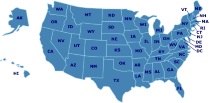
Looking for Another State?
Featured Resources
As an Amazon Associate, we earn from qualifying purchases. We get commissions for purchases made through links on this site.
Alpha-Phonics
Alpha Phonics is a primer for beginning readers. It features 128 self-explanatory lessons, printed in large, clear calligraphy suitable for beginning readers. You'll find product information about Alpha-Phonics here.
Critical Thinking: Reading, Thinking, and Reasoning Skills
Based on Bloom's Taxonomy of Educational Objectives, Critical Thinking will allow students to garner more knowledge from new information by knowing, applying, analyzing, synthesizing, and evaluating. A brief review in each unit provides frequent indications of student mastery. This series is written for grade levels 1-6.

Understanding Waldorf Education : Teaching from the Inside Out
Written by a teacher with more than 25 years of experience, this book offers a jargon-free view of Waldorf schools with their philosophy of the importance of a three-dimensional education. Through learning experiences that involve all of the senses, children use a variety of intelligences to develop thought, feeling, and intentional, purposeful activity. Whether you_re a Waldorf parent or teacher, or you just want to learn more about these innovative educational concepts, this book contains impo...

The Complete Home Learning Source Book : The Essential Resource Guide for Homeschoolers, Parents, and Educators Covering Every Subject from Arithmetic to Zoology
This ambitious reference guide lives up to its name. Practically three inches thick--and we're not talking large print here--it's packed with titles, ordering information, and Web site addresses. From where to send away for a kit to make your own Chilean rain stick to how to order a set of Elizabethan costume paper dolls, the book connects families to a world of learning possibilities. Book titles, short synopses, authors' names, publishers, and years of print make up the bulk of the guide. Clas...
Learn and Do Unit Studies
Hands on unit studies on a variety of subjects, including science, life skills, arts and crafts, and animals and insects. Also offers free mini units available for download.