National & State Parks
Resources

Educational Travel on a Shoestring : Frugal Family Fun and Learning Away from Home

National Geographic Guide to the National Parks of the United States, Fourth Edition
Now in its fourth edition, the National Geographic Field Guide to the Birds of North America is the ultimate birder’s field guide. Sturdy, portable, and easy-to-use, it features the most complete information available on every bird species known to North America. This revised edition features 250 completely updated range maps, new plumage and species classification information, specially commissioned full-color illustrations, and a superb new index that allows birders in the field to quickly identify a species.
The National Geographic Field Guide to the Birds of North America, Fourth Edition will continue to be a bestseller among the fastest-growing sector in the U.S. travel market—the nearly 25 million people who travel each year specifically to observe wild birds.

America's National Parks: The Spectacular Forces That Shaped Our Treasured Lands
Nature lovers will be captivated by gorgeous photos of landforms, flora, and fauna. Families will appreciate the information that is sure to enhance vacations at the parks. And visitors to any of the country's national parks will forever treasure this book as a memento of past visits and an inspiration for future ones.
Unlike any other book published on national parks, America's National Parks is a must-have for anyone who relishes America's natural wonders and wants to learn more about the powerful forces that created them.

Great Lodges of the National Parks: The Companion Book to the PBS Television Series

These Rare Lands

The National Parks of America

America's Spectacular National Parks

America's National Parks for Dummies, Second Edition
And these are just a few of your park options.
America's National Parks For Dummies gives you guidance to decide which park is for you, when to go, and what to see when you reach your destination. This guide will help you plan the best trip imaginable, whether you are
- An inexperienced traveler looking for guidance in determining whether to take a trip to a national park and how to plan for it
- An experienced traveler who has yet to explore the national park system and wants expert advice when you finally get a chance to enjoy one
- Any traveler who doesn't like big, thick travel guides that list every single hotel, restaurant, or attraction, but instead looks for a book that focuses on the places that will provide the best or most unique park experience
America's National Parks For Dummies is user-friendly and organized in a logical fashion. Each park is broken down in a chapter that delves into the nitty-gritty of trip planning and highlights, including tips for
- Planning your trip by touching on the diversity of the park system, explaining some of your vacation options, and telling you when parks are the most (and least) crowded
- Ironing out the details by describing how you get to the parks and how to find your way around after you arrive
- Exploring America's national parks by giving you the lowdown on 15 of the best parks, detailing things like each park's wild kingdom, the best spots for memorable photographs, and a few safety issues
The pages of this book resemble a great long-distance hike – you never know what's around the next bend in the trail. So throw on a backpack, take a swig of water, and get ready to explore the national parks!
National Parks in Kentucky
Mammoth Cave National Park
Cumberland Gap National Historical Park
Abraham Lincoln Birthplace National Historic Site
Big South Fork National River & Recreation Area
Trail of Tears National Historic Trail
Appalachian National Scenic Trail
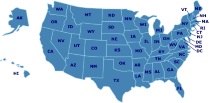
Looking for Another State?
Featured Resources
As an Amazon Associate, we earn from qualifying purchases. We get commissions for purchases made through links on this site.

Homeschooling: A Patchwork of Days: Share a Day With 30 Homeschooling Families
Explode The Code

Montessori Play And Learn : A Parent's Guide to Purposeful Play from Two to Six
Progeny Press Study Guides for Literature
